

Identification
Powered by Merlin
Common in mangroves and adjacent brushy habitats from Baja California to northern Peru and extensively in the Caribbean. Typically bright yellow overall; males vary across range from fully brick-red head to more subtle reddish cap. Females and immatures vary from bright yellow to drab grayish; some distinctively yellow-bodied with contrasting gray head. Listen for strong chip calls, given incessantly when agitated. These calls are variable across range; birds in Mexico and Central America are slightly more ringing and metallic; huskier and lower-pitched on Galápagos. In nonbreeding season, overlaps with Northern Yellow Warbler; keep in mind that Northern Yellow can occur in mangroves, too! Adult male Mangroves are distinctive; identification of some females and immatures more difficult.
Relative Size
About the same size as Northern Yellow Warbler.
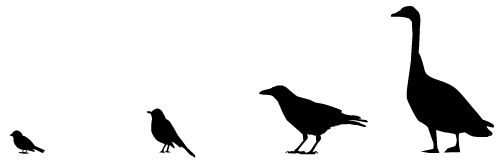

Measurements
- Both Sexes
- Length: 4.3-5.1 in (11-13 cm)
- Weight: 0.3-0.4 oz (9-11 g)
Regional Differences
Ornithologists recognize nine subspecies groups for Mangrove Yellow Warbler: “Mexican,” “Panama,” “Ecuadorian,” “Galapagos,” “Cozumel,” “San Andres,” “Greater Antillean,” “Lesser Antillean,” and “Martinique.” Males in the "Mexican,” “Panama,” and “Martinique” groups have a full chestnut head, whereas males in the other groups have chestnut limited to the crown (or no chestnut on the head at all).


